
Recycled or virgin PE film: when can you use which?
Sustainability is not one-size-fits-all. Different rules apply to food packaging than to industrial bags.
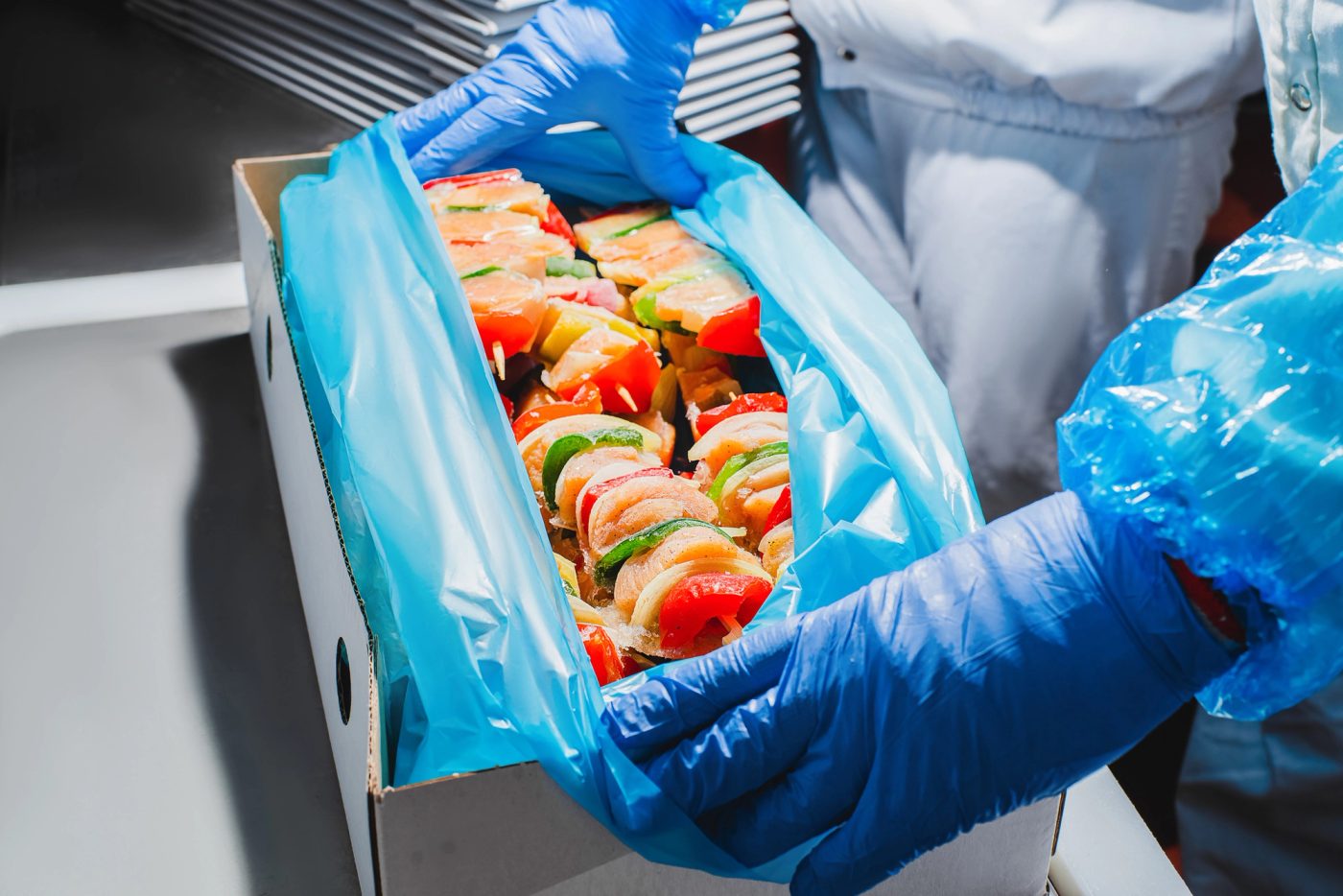
Recycled or virgin: when should you choose which?
The pressure to use recycled materials is mounting. EU PPWR regulations, retailers, end customers, ESG reporting. Everyone wants more recycled materials. At the same time, strict rules apply to food packaging regarding which materials are permitted to come into direct contact with food. How do you make the right choice, without incurring fines or encountering quality issues?
What does the legislation say?
Food contact materials are governed by EU Regulation 10/2011 and the associated EU Regulation 2022/1616 for recycled plastics. The key point: recycled material in direct contact with food is only permitted if it comes from an approved recycling process. For PE, there are currently a few approved mechanical recycling processes, and a growing number of chemical recycling routes with proven depolymerisation.
This restriction does not apply to non-food applications. In those cases, you have much greater freedom of choice.
The decision-making framework in three questions
Ask yourself these three questions to make a quick decision.
Question 1: Does the film come into direct contact with food or another sensitive product (pharmaceuticals, medical devices)? Yes: the contact layer must be virgin material or approved recycled material. No: go to question 2.
Question 2: Does your customer or retailer require a specific recycled content percentage? Yes: tailor the blend accordingly. Request certification (EuCertPlast, ISCC PLUS, RecyClass). No: go to question 3.
Question 3: Is cost or sustainability performance your primary driver? For industrial applications, a high PCR percentage can both reduce costs and improve the ESG score. For products where visual quality is key (transparent film, high-quality printing), virgin material is often still the right choice.
Multilayer as a smart interim solution
For many food applications, a multilayer construction is the solution that reconciles both objectives. Recycled material in the outer layers for sustainability benefits and mechanical properties. Virgin material in the contact layer for food safety. A three- or five-layer film comprising forty to sixty per cent recycled material, yet fully compliant with EU Regulation 10/2011.
Where does it go wrong?
Three common mistakes.
One: Using PCR in the contact layer of food packaging without supporting documentation. Risk of non-compliance during an audit, product recalls and reputational damage.
Two: Using virgin material when PCR is perfectly suitable. Unnecessary costs and missed sustainability claims. Common in secondary packaging and logistics film.
Three: Recycled material without a certificate of origin. Often works, but does not allow for ESG claims, retail acceptance or audit assurance.
Would you like to determine the correct recycled-to-virgin ratio for your specific application? Discuss your packaging requirements.